

There are some that think that if they just had the talent
to be a great artist then they would automatically become rich overnight. Apparently these folks have never heard the
term “starving artist” or really taken a good look at the tragic and destitute
lives of some of the most posthumously renowned and treasured artists in
history. It is difficult to understand how
on earth a financially impoverished artist could even afford materials to create
their art. Artists with wage-earning
jobs only creating their work part-time often end up putting what money they
receive from sales back into sustaining their ability to continue their art
projects. That is at least a
self-sustaining scenario and the art is still being created and enriching the
world – if not the artist. The point I
am taking to task here is that financial security does not kick in
automatically just from producing art.
|
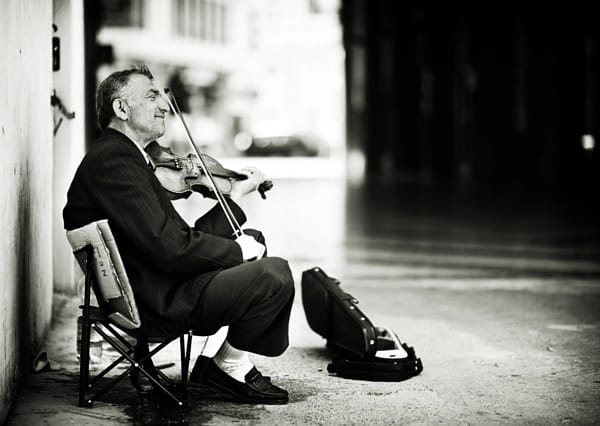
As a part-time artist, writer, or musician with a full-time job
there is the ability to pursue creative endeavors supported by the additional
steady income. However, there is also a hugely negative factor within this
arrangement. The time and energy put into earning income from a regular job not
only detracts from someone’s creative efforts, it effectively stifles
them. Further damaging their artistic
careers by having limited availability makes it difficult to attend a show or
to set appointments with prospective clients.
Not having the flexibility of having an open schedule takes away any
ability to compete with a full-time creative colleague.
Many artists do not have time for marketing and promoting
their work and may not even have found a particular niche that their work fits
in. This is a classic example of the
creative mindset removed from one of business-oriented concepts and
practices. After all, when you have art
to do, it is hard find time for other things – especially something as banal as business. However it is a matter of one thing depending
on the other for any creative who is serious about producing on a professional
level. Many do nurture the skills needed
to help promote their presence in the community. It is something that will take a lot of
patience, as time and relationship-building are important in addition to
learning marketing skills. When
necessary, and if they are able to afford to do so, artists will find agents
who can work for them to aid in the business side of things. These can be event coordinators, gallery or
shop owners, webpage designers, SEO builders – the list goes on. For the most part, if a means of promotion
exists then there are those whose services can be hired to do it. This is the investing in oneself portion,
beyond materials and tools, which also highlights the point that making art is
not about the money.
The money is a necessary element to keep the artwork producible and to bring it to the masses, but it is not where the art comes from. In the business frame of mind profit is the ideal result – however ideals are subjective.
|

The money is a necessary element to keep the artwork producible and to bring it to the masses, but it is not where the art comes from. In the business frame of mind profit is the ideal result – however ideals are subjective.
The ultimate goal most people who create art tell me
about is this: the feeling of having made something that touched someone. Whether it made them change their perspective
or simply reminds them of something that they care deeply for, being able to see
another person have a connection to the painting, book, photo, song, drawing, etc. -it is what being an artist is about. If your work can produce such an emotional
impression on another person, there is no actual dollar value you can put on
that. It is the appreciation element,
that intangible but incredibly rewarding moment when understanding or empathy
occurs as a reaction to an artwork.
In a previous article I wrote about the Value of Art. In effect, here I am also expanding upon that
theme. I wanted to write more to really
emphasize that artists are not at all about what some perceive –greedy or money-driven. Artists make art simply because they CAN.
Some say it is a part of their nature and a compulsion towards
creativity will keep them making art even if no one is looking at it, much less
if they are making monetary profit. The
rarity and the status of collectible art and the inflated value of popular artists
is not the rule.
Independently, being an artist is not all about the money; and even if your work ends up on the high end price range, there is no guarantee it will happen while you are still around to notice. There are those who feed the notion that being an artist is all big money making and that is what is seen often in Hollywood or in Art Museums. If you are doing what you love and you get to enjoy doing so, that is the first gift of making art. The second is having recognition and connection with other people. When someone pays an artist it is often just barely compensating for what went into the actual creation of the work, yet it is nudging them on and saying “Please continue.”
© Rebecca H Knight, images are © their respective owners. All rights reserved
Independently, being an artist is not all about the money; and even if your work ends up on the high end price range, there is no guarantee it will happen while you are still around to notice. There are those who feed the notion that being an artist is all big money making and that is what is seen often in Hollywood or in Art Museums. If you are doing what you love and you get to enjoy doing so, that is the first gift of making art. The second is having recognition and connection with other people. When someone pays an artist it is often just barely compensating for what went into the actual creation of the work, yet it is nudging them on and saying “Please continue.”
© Rebecca H Knight, images are © their respective owners. All rights reserved


.png)


